BERLIN, the new NEW YORK!
BERLIN, the new NEW YORK!
An Insider’s Perspective.
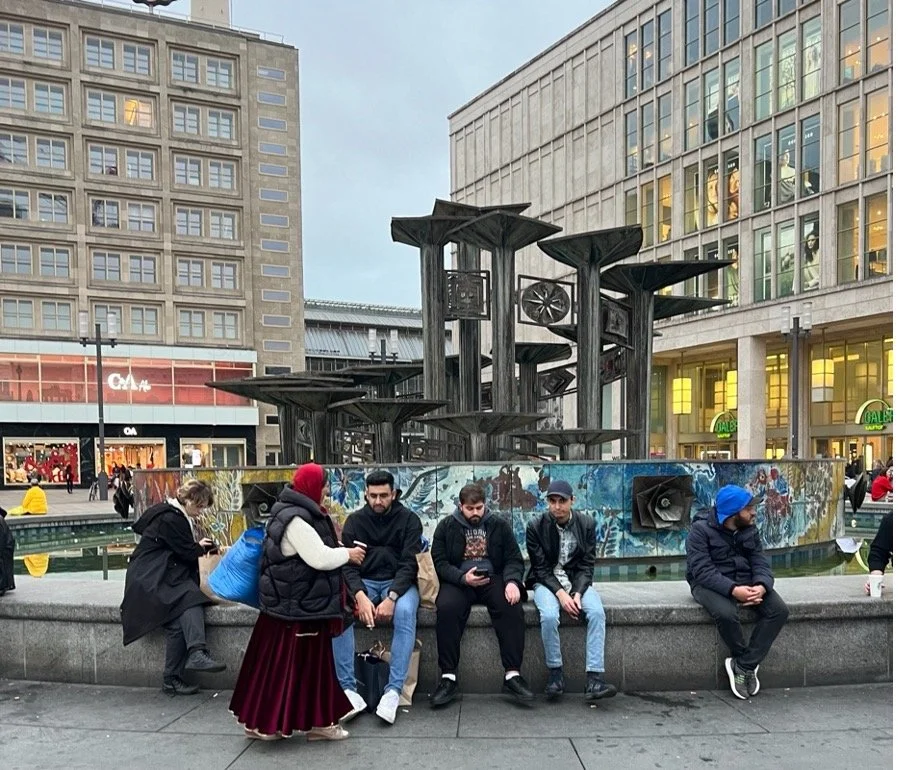
Taking the U8 subway from Hermannplatz to the historic Alexanderplatz, one could easily forget one is in Germany. Every language seems to be spoken except German.
I imagine the subways of New York City were much the same a century ago, when tens of thousands of diverse immigrants arrived in a bustling metropolis that was rapidly shaping itself into one of the most exciting places on earth. New York became a sanctuary for people displaced by wars and by ethnic persecution, similarly to Berlin today. The process was not free of conflict in New York, nor is it in Berlin. In New York, different communities often regarded one another with suspicion. All faced discrimination from the establishment. Yet this influx of talent, determination, and cultural diversity forged a unique place. Over time, their children and grandchildren became integral members of society, helping to create the rich cultural identity that was the basis for artistic communities in the following decades.
Berlin is now in the early stages of a similar transformation. I would be dishonest if I did not admit that I find certain aspects of it annoying, like the irritating demeanor of some young Middle Eastern men on the Berlin subway. Dressed in curated streetwear, absorbed in their cell phones, they sprawl across several seats as if trying to claim a space they feel German society denies them. More often than not, it takes the reprimand of an elderly woman in a headscarf for them to give up a seat for me, a gray-haired German.
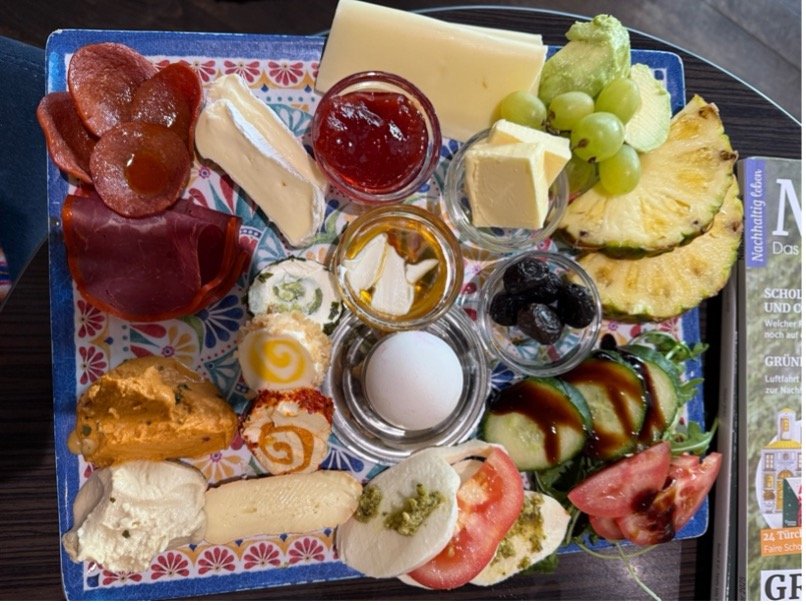
Yet during the years I have known Berlin, the pace of change has been breathtakingly fast. Local politicians with migratory roots like Senator Cansel Kiziltepe have risen to prominence, shaping the city’s political future. The freshness of Turkish, Vietnamese, Ukrainian, and other immigrant cuisines has enlivened traditionally stodgy German cooking, giving rise to exciting forms of fusion gastronomy. In the Kreuzberg district, Mustafa's vegetable kebab has surpassed the traditional SO36 curry sausage in popularity. Meanwhile, a growing number of kosher restaurants reflect the city’s expanding Jewish population. My personal favorite is Masel Topf, whose name cleverly plays on the German word “Topf,” meaning “pot.”
Berlin is only at the beginning of a journey that has stalled in New York City, as immigration is discouraged, creativity is squashed, and prices pushed out artists a while ago. Berlin’s new identity, though, is in a fragile early phase, vulnerable to the rise of right-wing radicalization among traditional Germans who feel alienated and displaced by so much change arriving too quickly. Unfortunately, the encouragement of movements like the AfD party-Alternative for Germany- by figures associated with the current U.S. regime, does little to support the process of integration.
Yet Berliners have long been known for their Berliner Schnauze, their sharp, outspoken "snout," resilience, and direct approach. I remain confident that a new generation of Berliners, named Svetlana, Minh, Cem, or Raffi, will defend the uniqueness of their city and keep forging it into a world-class destination that rivals New York.